Thanksgiving Day
 Thanksgiving
is a holiday celebrated by Americans on the fourth Thursday of November. It
celebrates the story of the Pilgrim’s meal with the Native Americans and is
reserved as a day to spend with loved ones and for giving thanks.
Most families
observe with a large meal and sometimes a religious service. Many countries
observe a variation of this celebration or have a different holiday along the
same themes. It is common to mark the harvest season with celebratory meals and
festivals of thanks within many religions and communities, a theme that dates
back to ancient pagan festivals. Protestant religions have many connections to
the harvest festival of Thanksgiving.
Thanksgiving
is a holiday celebrated by Americans on the fourth Thursday of November. It
celebrates the story of the Pilgrim’s meal with the Native Americans and is
reserved as a day to spend with loved ones and for giving thanks.
Most families
observe with a large meal and sometimes a religious service. Many countries
observe a variation of this celebration or have a different holiday along the
same themes. It is common to mark the harvest season with celebratory meals and
festivals of thanks within many religions and communities, a theme that dates
back to ancient pagan festivals. Protestant religions have many connections to
the harvest festival of Thanksgiving.
 While the
American tradition is believed to have origins with the Pilgrims’ meal at
Plymouth in 1621, this even was not given proper documentation and many do not
wish to involve the relationship of the settlers with the Native Americans on
this holiday given the two groups’ violent history. The story goes that after
the Pilgrims’ Plymouth colony had a difficult winter filled with disease,
starvation, and death, the colony received assistance from Squanto and his
Patuxet tribe. The Native Americans allegedly taught the pilgrims to grow their
own crops and other methods of survival in the New England environment, in
particular the method of using fish to fertilize corn crops. After their first
successful harvest, the pilgrims celebrated with a feast at which Squanto and
members of his tribe were in attendance.
While the
American tradition is believed to have origins with the Pilgrims’ meal at
Plymouth in 1621, this even was not given proper documentation and many do not
wish to involve the relationship of the settlers with the Native Americans on
this holiday given the two groups’ violent history. The story goes that after
the Pilgrims’ Plymouth colony had a difficult winter filled with disease,
starvation, and death, the colony received assistance from Squanto and his
Patuxet tribe. The Native Americans allegedly taught the pilgrims to grow their
own crops and other methods of survival in the New England environment, in
particular the method of using fish to fertilize corn crops. After their first
successful harvest, the pilgrims celebrated with a feast at which Squanto and
members of his tribe were in attendance.
THANKSGIVING DAY ORIGIN
The Pilgrims who sailed to this country aboard the Mayflower were originally members of the English
Separatist Church (a Puritan sect). They had earlier fled their home in England
and sailed to Holland (The Netherlands) to escape religious persecution. There,
they enjoyed more religious tolerance, but they eventually became disenchanted
with the Dutch way of life, thinking it ungodly. Seeking a better life, the
Separatists negotiated with a London stock company to finance a pilgrimage to
America. Most of those making the trip aboard the Mayflower were
non-Separatists, but were hired to protect the company’s interests. Only about
one-third of the original colonists were Separatists.
 The Pilgrims set ground at Plymouth Rock on December 11, 1620. Their
first winter was devastating. At the beginning of the following fall, they had
lost 46 of the original 102 who sailed on the Mayflower. But
the harvest of 1621 was a bountiful one. And the remaining colonists decided to
celebrate with a feast – including 91 natives who had helped the Pilgrims
survive their first year. It is believed that the Pilgrims would not have made
it through the year without the help of the natives. The feast was more of a
traditional English harvest festival than a true “thanksgiving” observance. It
lasted three days.
The Pilgrims set ground at Plymouth Rock on December 11, 1620. Their
first winter was devastating. At the beginning of the following fall, they had
lost 46 of the original 102 who sailed on the Mayflower. But
the harvest of 1621 was a bountiful one. And the remaining colonists decided to
celebrate with a feast – including 91 natives who had helped the Pilgrims
survive their first year. It is believed that the Pilgrims would not have made
it through the year without the help of the natives. The feast was more of a
traditional English harvest festival than a true “thanksgiving” observance. It
lasted three days.
Rawson, the clerk, to proclaim June 29 as a day of thanksgiving. It is notable
that this thanksgiving celebration probably did not include Native Americans,
as the celebration was meant partly to be in recognition of the colonists’
recent victory over the “heathen natives,” (see the proclamation). By then, it had become apparent to the settlers that the natives were
a hindrance to their quest for more land, so the good will they shared at the
first feast had long been lost.
In many American households, the Thanksgiving celebration has
lost much of its original religious significance; instead, it now centers on
cooking and sharing a bountiful meal with family and friends. Turkey, a
Thanksgiving staple so ubiquitous it has become all but synonymous with the
holiday, may or may not have been on offer when the Pilgrims hosted the
inaugural feast in 1621. Today, however, nearly 90 percent of Americans eat the
bird—whether roasted, baked or deep-fried—on Thanksgiving, according to the
National Turkey Federation. Other traditional foods include stuffing, mashed
potatoes, cranberry sauce and pumpkin pie. Volunteering is a common
Thanksgiving Day activity, and communities often hold food drives and host free
dinners for the less fortunate.
Parades have also become an integral part of the holiday in
cities and towns across the United States. Presented by Macy’s department store
since 1924, New York City’s Thanksgiving Day parade is the largest and most
famous, attracting some 2 to 3 million spectators along its 2.5-mile route and
drawing an enormous television audience. It typically features marching bands,
performers, elaborate floats conveying various celebrities and giant balloons
shaped like cartoon characters.

Family feast is an important tradition during
Thanksgiving. The entire family sits at the table during dinner and offer
prayer to the Lord Almighty for his continuous grace. It is also a time for
relatives living in different places to come together and celebrate.
Tradition of Turkey
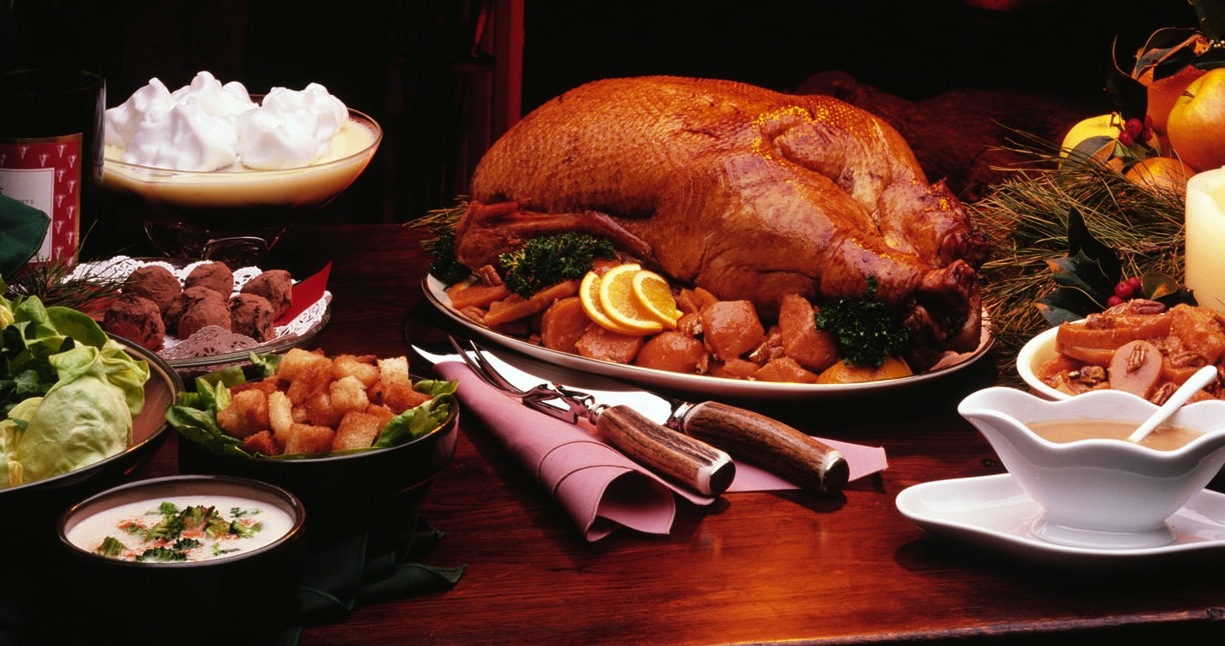
The traditional stuffed turkey adorns every
dinner table during the feast. Pumpkin pie, Cranberry sauce, Corns are some of
the dishes cooked everywhere to mark the day. Though historians don't have an
evidence to prove that turkey was eaten during the first Thanksgiving dinner,
but the thanksgiving
celebration will be incomplete without it.
Parades

The traditional Thanksgiving parade probably started with President
Lincoln proclaiming it an official day. The full- dress parade is a way to
display the country's military strength and discipline. The main aim of such
parades is to lift the spirits of the spectators, provide them with wholesome
entertainment. In the present day, parades are accompanied with musical shows
and celebrities.
Football Games
Watching NFL football during Thanksgiving is
a popular tradition. The traditional game between the Detroit Lions and the
Green Bay Packers continues. One of the most memorable games having been played
on this day.
Traditions of Thanksgiving Meal
There are
many foods associated with the holiday, including turkey and cookies. Other
common foods and drink include: Apple Cider, Hot Chocolate, Custard,
Candy Canes, Buttered Rum, Ham, Egg Nog, Fruit Cake, Plum
Pudding, Mixed Nuts, Stuffing, Dumplings. Fudge, Pies Some will
observe the holiday through charity work. Common activities include serving and
preparing meals at homeless shelters and soup kitchens, organizing food and
clothing drives, and participating in community outreach programs.
Some will
observe the holiday through charity work. Common activities include serving and
preparing meals at homeless shelters and soup kitchens, organizing food and
clothing drives, and participating in community outreach programs.
CLICK HERE IF YOU WANT TO WATCH A VIDEO ABOUT THE FIRST THANKSGIVING MEAL
Criticism And Controversy

In the early part of the
twentieth century, the American Association for the Advancement of Atheism (4A)
opposed the celebration of Thanksgiving Day, offering an alternative observance
called Blamegiving Day, which was in their eyes, "a protest against Divine
negligence, to be observed each year on Thanksgiving Day, on the assumption,
for the day only, that God exists. Citing their view of the separation of
church and state, some atheists in recent times have particularly criticized
the annual recitation of Thanksgiving proclamations by the President of the
United States, because these proclamations often revolve around the theme of
giving thanks to God.
The move by retailers to begin
holiday sales during Thanksgiving Day (as opposed to the traditional day after)
has been criticized as forcing (under threat of being fired) low-end retail
workers to work odd hours and to handle atypical, unruly crowds on a day
reserved for rest. In response to this controversy, Macy's and Best Buy (both
of which planned to open on Thanksgiving, even earlier than they had the year
before) stated in 2014 that most of their Thanksgiving Day shifts were filled
voluntarily by employees who would rather have the day after Thanksgiving off instead
of Thanksgiving itself.Blue laws in several Northeastern states prevent
retailers in those states from opening on Thanksgiving. Such retailers
typically open at midnight on the day after Thanksgiving to circumvent the laws
as much as legally possible.
 Thanksgiving
is a holiday celebrated by Americans on the fourth Thursday of November. It
celebrates the story of the Pilgrim’s meal with the Native Americans and is
reserved as a day to spend with loved ones and for giving thanks.
Thanksgiving
is a holiday celebrated by Americans on the fourth Thursday of November. It
celebrates the story of the Pilgrim’s meal with the Native Americans and is
reserved as a day to spend with loved ones and for giving thanks.THANKSGIVING DAY ORIGIN
The Pilgrims who sailed to this country aboard the Mayflower were originally members of the English
Separatist Church (a Puritan sect). They had earlier fled their home in England
and sailed to Holland (The Netherlands) to escape religious persecution. There,
they enjoyed more religious tolerance, but they eventually became disenchanted
with the Dutch way of life, thinking it ungodly. Seeking a better life, the
Separatists negotiated with a London stock company to finance a pilgrimage to
America. Most of those making the trip aboard the Mayflower were
non-Separatists, but were hired to protect the company’s interests. Only about
one-third of the original colonists were Separatists.
 The Pilgrims set ground at Plymouth Rock on December 11, 1620. Their
first winter was devastating. At the beginning of the following fall, they had
lost 46 of the original 102 who sailed on the Mayflower. But
the harvest of 1621 was a bountiful one. And the remaining colonists decided to
celebrate with a feast – including 91 natives who had helped the Pilgrims
survive their first year. It is believed that the Pilgrims would not have made
it through the year without the help of the natives. The feast was more of a
traditional English harvest festival than a true “thanksgiving” observance. It
lasted three days.
The Pilgrims set ground at Plymouth Rock on December 11, 1620. Their
first winter was devastating. At the beginning of the following fall, they had
lost 46 of the original 102 who sailed on the Mayflower. But
the harvest of 1621 was a bountiful one. And the remaining colonists decided to
celebrate with a feast – including 91 natives who had helped the Pilgrims
survive their first year. It is believed that the Pilgrims would not have made
it through the year without the help of the natives. The feast was more of a
traditional English harvest festival than a true “thanksgiving” observance. It
lasted three days.
Governor William
Bradford sent “four men fowling” after wild ducks and geese. It is not certain
that wild turkey was part of their feast. However, it is certain that they had
venison. The term “turkey” was used by the Pilgrims to mean any sort of wild
fowl.
Another modern
staple at almost every Thanksgiving table is pumpkin pie. But it is unlikely
that the first feast included that treat. The
supply of flour had been long diminished, so there was no bread or pastries of
any kind. However, they did eat boiled pumpkin, and they produced a type of
fried bread from their corn crop. There was also no milk, cider, potatoes, or
butter. There was no domestic cattle for dairy products, and the
newly-discovered potato was still considered by many Europeans to be poisonous.
But the feast did include fish, berries, watercress, lobster, dried fruit,
clams, venison, and plums.
This “thanksgiving” feast was not repeated the following year. Many
years passed before the event was repeated. It wasn’t until June of 1676 that
another Day of thanksgiving was proclaimed. On June 20 of that year the
governing council of Charlestown, Massachusetts, held a meeting to determine
how best to express thanks for the good fortune that had seen their community
securely established. By unanimous vote they instructed Edward
Rawson, the clerk, to proclaim June 29 as a day of thanksgiving. It is notable that this thanksgiving celebration probably did not include Native Americans, as the celebration was meant partly to be in recognition of the colonists’ recent victory over the “heathen natives,” (see the proclamation). By then, it had become apparent to the settlers that the natives were a hindrance to their quest for more land, so the good will they shared at the first feast had long been lost.
Rawson, the clerk, to proclaim June 29 as a day of thanksgiving. It is notable that this thanksgiving celebration probably did not include Native Americans, as the celebration was meant partly to be in recognition of the colonists’ recent victory over the “heathen natives,” (see the proclamation). By then, it had become apparent to the settlers that the natives were a hindrance to their quest for more land, so the good will they shared at the first feast had long been lost.
A hundred years
later, in October of 1777 all 13 colonies joined in a thanksgiving celebration.
It also commemorated the patriotic victory over the British at Saratoga. But it
was a one-time affair.
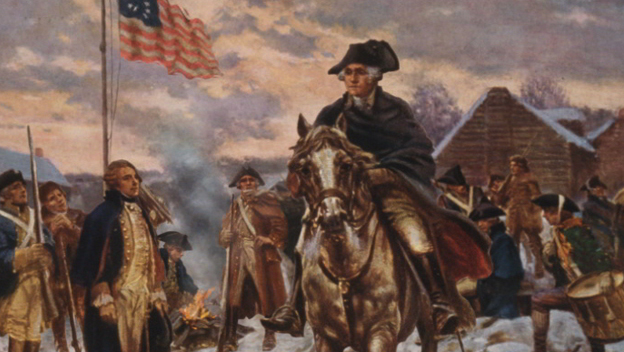
George Washington
proclaimed a National Day of Thanksgiving in 1789, although some were opposed
to it. There was discord among the colonies, many feeling the hardships of a
few pilgrims did not warrant a national holiday. And later, President Thomas
Jefferson opposed the idea of having a day of thanksgiving.
TRADITIONSIn many American households, the Thanksgiving celebration has lost much of its original religious significance; instead, it now centers on cooking and sharing a bountiful meal with family and friends. Turkey, a Thanksgiving staple so ubiquitous it has become all but synonymous with the holiday, may or may not have been on offer when the Pilgrims hosted the inaugural feast in 1621. Today, however, nearly 90 percent of Americans eat the bird—whether roasted, baked or deep-fried—on Thanksgiving, according to the National Turkey Federation. Other traditional foods include stuffing, mashed potatoes, cranberry sauce and pumpkin pie. Volunteering is a common Thanksgiving Day activity, and communities often hold food drives and host free dinners for the less fortunate.
Parades have also become an integral part of the holiday in
cities and towns across the United States. Presented by Macy’s department store
since 1924, New York City’s Thanksgiving Day parade is the largest and most
famous, attracting some 2 to 3 million spectators along its 2.5-mile route and
drawing an enormous television audience. It typically features marching bands,
performers, elaborate floats conveying various celebrities and giant balloons
shaped like cartoon characters.
Beginning in the mid-20th century and perhaps even earlier, the
president of the United States has “pardoned” one or two Thanksgiving turkeys
each year, sparing the birds from slaughter and sending them to a farm for
retirement. A number of U.S. governors also perform the annual turkey pardoning
ritual.
Family Reunion and Feasting
Family feast is an important tradition during Thanksgiving. The entire family sits at the table during dinner and offer prayer to the Lord Almighty for his continuous grace. It is also a time for relatives living in different places to come together and celebrate.
The traditional stuffed turkey adorns every
dinner table during the feast. Pumpkin pie, Cranberry sauce, Corns are some of
the dishes cooked everywhere to mark the day. Though historians don't have an
evidence to prove that turkey was eaten during the first Thanksgiving dinner,
but the thanksgiving
celebration will be incomplete without it.
Parades
The traditional Thanksgiving parade probably started with President Lincoln proclaiming it an official day. The full- dress parade is a way to display the country's military strength and discipline. The main aim of such parades is to lift the spirits of the spectators, provide them with wholesome entertainment. In the present day, parades are accompanied with musical shows and celebrities.
The traditional Thanksgiving parade probably started with President Lincoln proclaiming it an official day. The full- dress parade is a way to display the country's military strength and discipline. The main aim of such parades is to lift the spirits of the spectators, provide them with wholesome entertainment. In the present day, parades are accompanied with musical shows and celebrities.
Football Games
Watching NFL football during Thanksgiving is
a popular tradition. The traditional game between the Detroit Lions and the
Green Bay Packers continues. One of the most memorable games having been played
on this day.
Traditions of Thanksgiving Meal
Criticism And Controversy
Since 1970, the United
American Indians of New England, a protest group led by Frank
"Wamsutta" James has accused the United States and European settlers
of fabricating the Thanksgiving story and of whitewashing a genocide and
injustice against Native Americans, and it has led a National Day of Mourning
protest on Thanksgiving at Plymouth Rock in Plymouth, Massachusetts in the name
of social equality and in honor of political prisoners.
On November 27, 1969, as
another notable example of anti-Thanksgiving sentiment, hundreds of supporters
traveled to Alcatraz on Thanksgiving Day to celebrate the Occupation of
Alcatraz (which had started a week earlier and lasted until 1971) by Native
Americans of All Tribes. The American Indian Movement also holds a negative
view of Thanksgiving and has used it as a platform for protest, most notably
when they took over a Mayflower float in a Thanksgiving Day parade.[82] Some
Native Americans hold "Unthanksgiving Day" celebrations in which they
mourn the deaths of their ancestors, fast, dance, and pray. This tradition has
been taking place since 1975.
The perception of Thanksgiving
among Native Americans is not, however, universally negative. Tim Giago,
founder of the Native American Journalists Organization, seeks to reconcile
Thanksgiving with Native American traditions. He compares Thanksgiving to
"wopila", a thanks-giving celebration practiced by Native Americans
of the Great Plains. He wrote in The Huffington Post: "The idea of a day
of Thanksgiving has been a part of the Native American landscape for centuries.
The fact that it is also a national holiday for all Americans blends in
perfectly with Native American traditions." He also shares personal
anecdotes of Native American families coming together to celebrate
Thanksgiving.[85] Members of the Oneida Indian Nation marched in the 2010
Macy's Thanksgiving Day Parade with a float called "The True Spirit of
Thanksgiving" and have done so every year since.
In the early part of the
twentieth century, the American Association for the Advancement of Atheism (4A)
opposed the celebration of Thanksgiving Day, offering an alternative observance
called Blamegiving Day, which was in their eyes, "a protest against Divine
negligence, to be observed each year on Thanksgiving Day, on the assumption,
for the day only, that God exists. Citing their view of the separation of
church and state, some atheists in recent times have particularly criticized
the annual recitation of Thanksgiving proclamations by the President of the
United States, because these proclamations often revolve around the theme of
giving thanks to God.
The move by retailers to begin
holiday sales during Thanksgiving Day (as opposed to the traditional day after)
has been criticized as forcing (under threat of being fired) low-end retail
workers to work odd hours and to handle atypical, unruly crowds on a day
reserved for rest. In response to this controversy, Macy's and Best Buy (both
of which planned to open on Thanksgiving, even earlier than they had the year
before) stated in 2014 that most of their Thanksgiving Day shifts were filled
voluntarily by employees who would rather have the day after Thanksgiving off instead
of Thanksgiving itself.Blue laws in several Northeastern states prevent
retailers in those states from opening on Thanksgiving. Such retailers
typically open at midnight on the day after Thanksgiving to circumvent the laws
as much as legally possible.


No hay comentarios.:
Publicar un comentario